

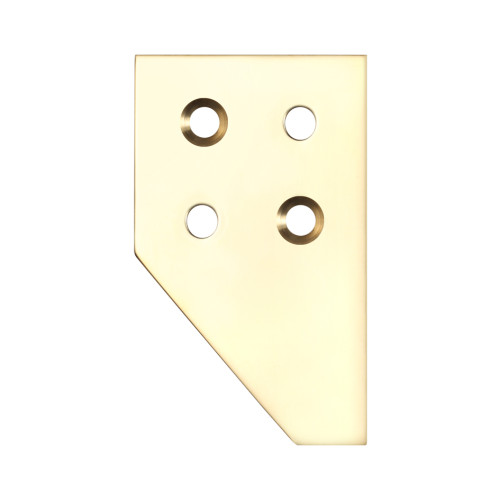
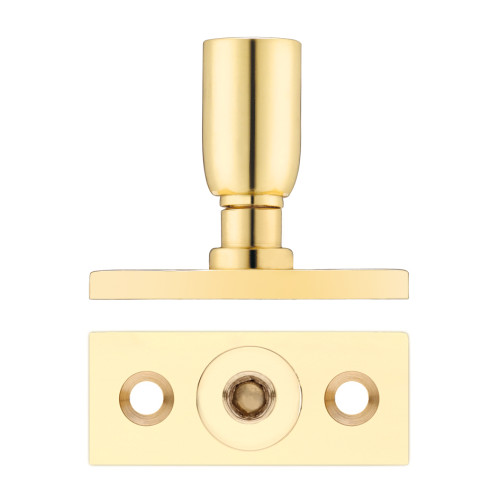
Sash Strike Plate for Sash Stop Durable Window Security Fitting Easy Installation
£2.39 £2.87Price range: £1.99£2.39 through £2.39£2.87 Excl. VATIncl. VAT
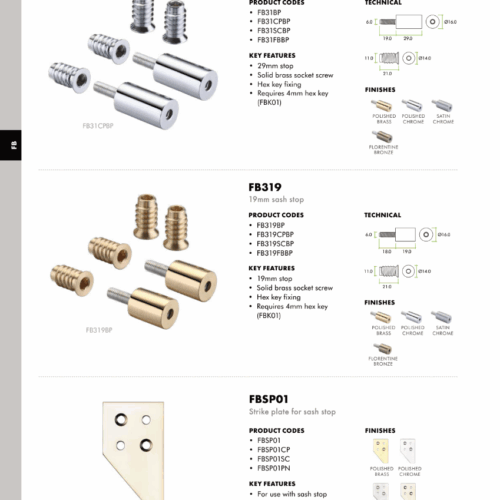
KEY FEATURES
- Fulton & Bray
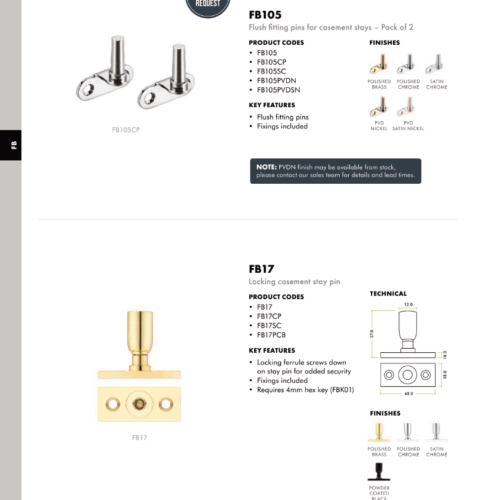
- Sash Strike Plate for Sash Stop
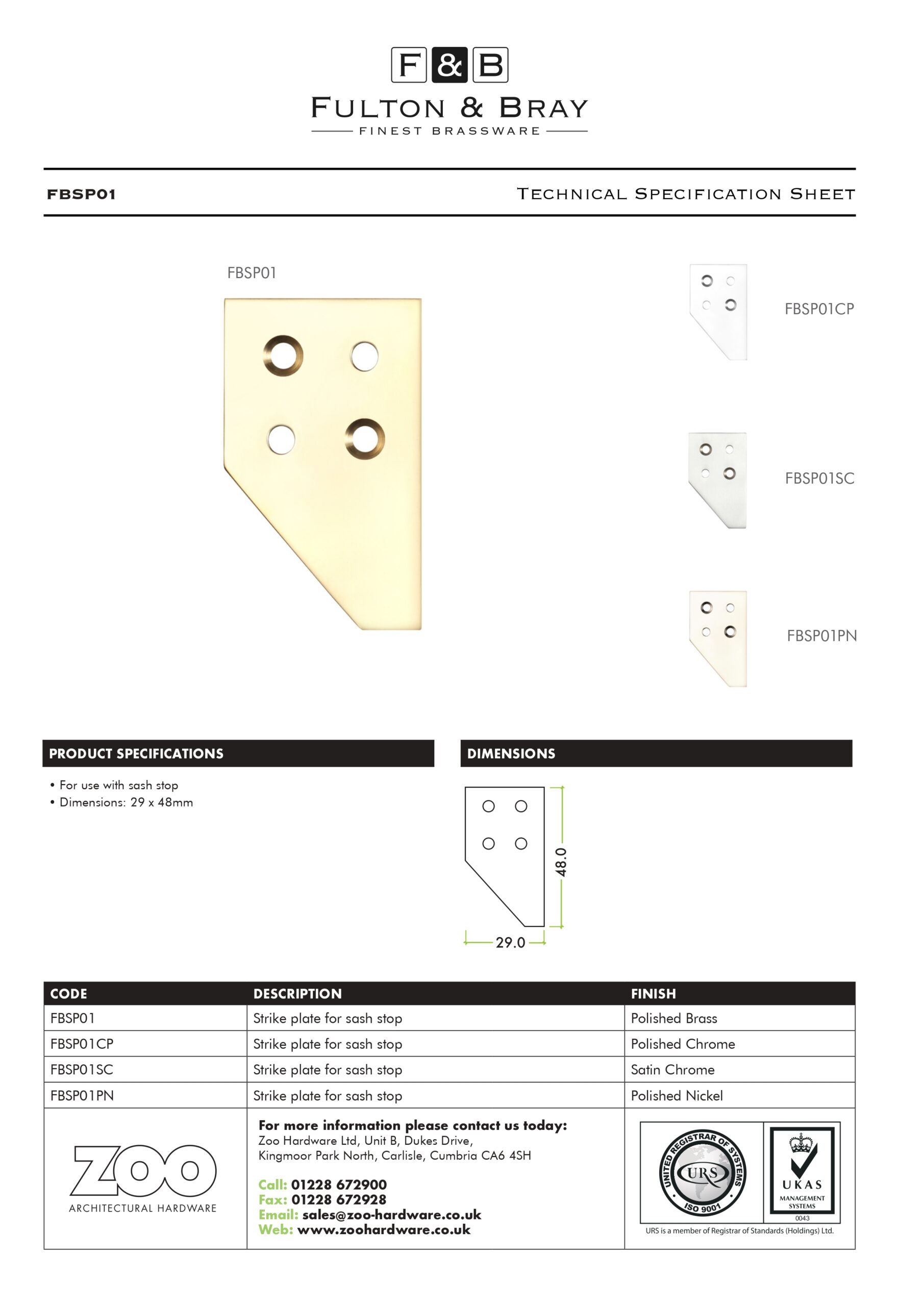
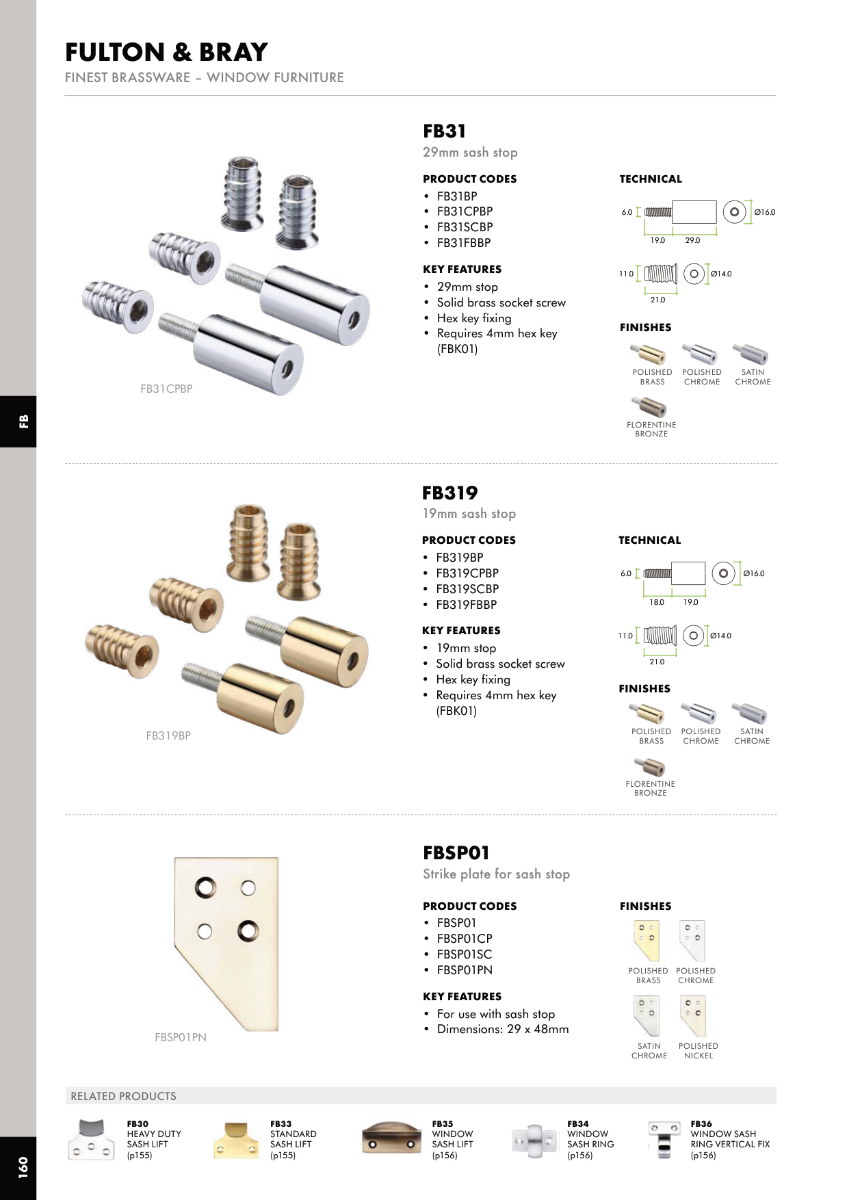
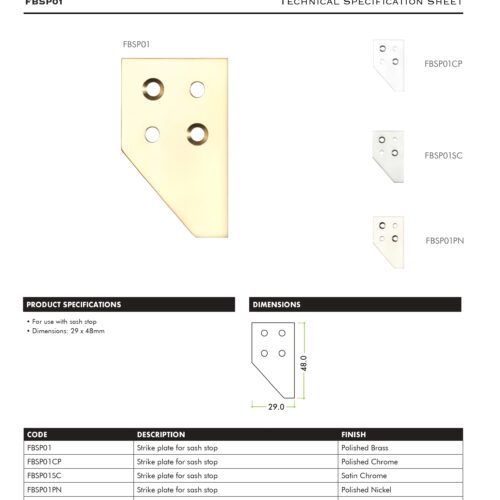
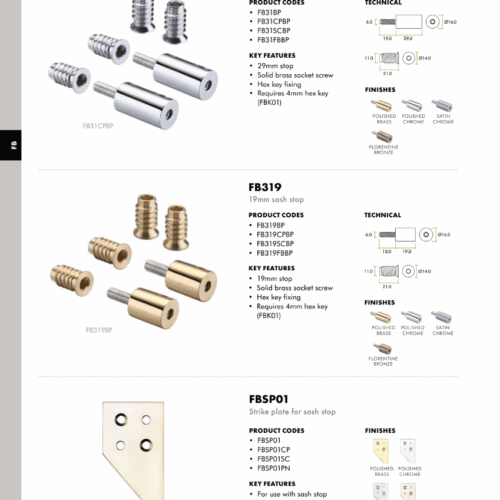
- For use with sash stop
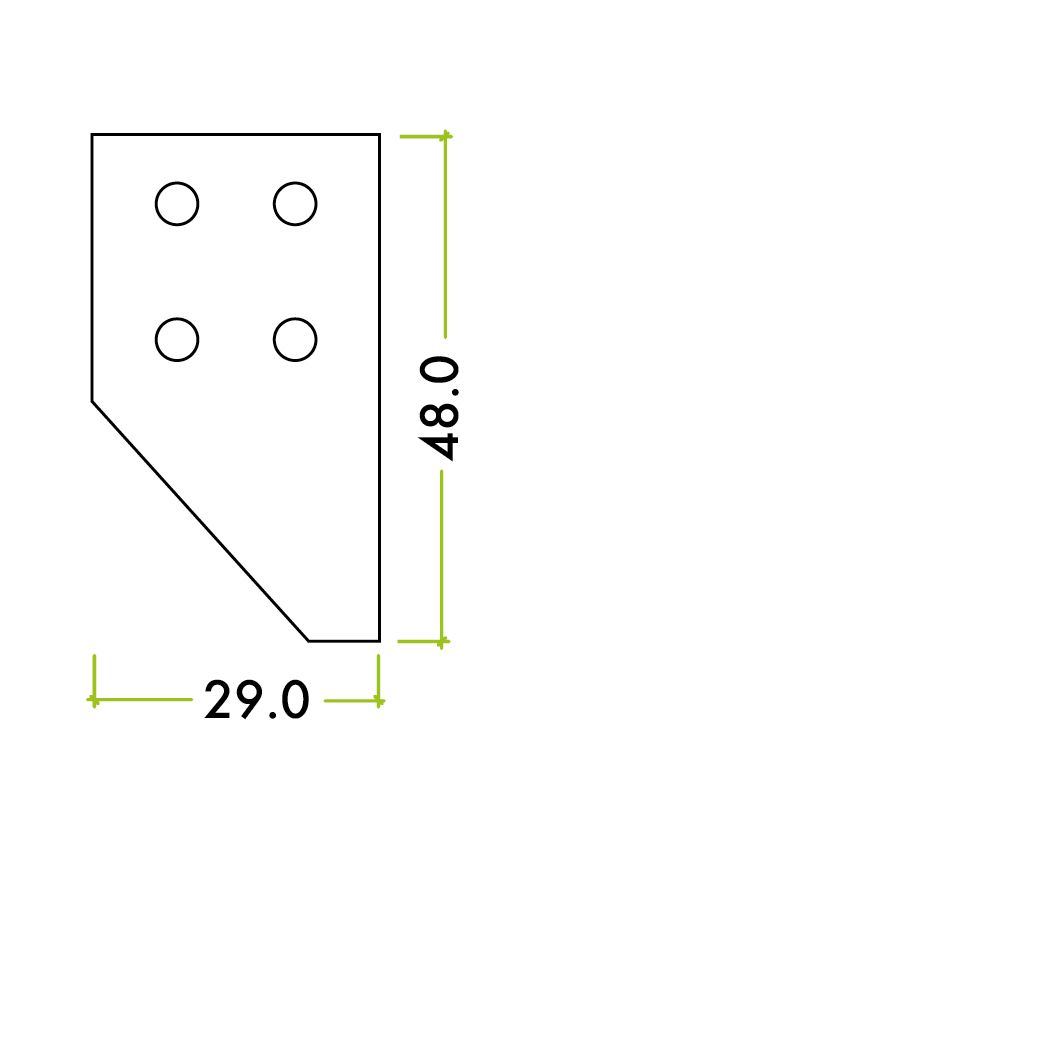
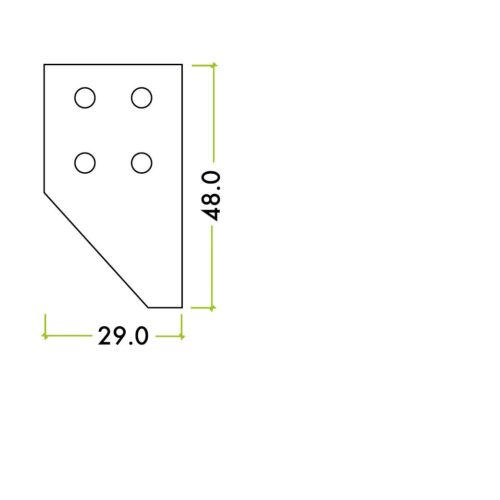
- Dimensions: 29 x 48mm

Free Next Day Delivery on orders over £50

Free returns within 28 days

10 Year Guarantee
A Sash Strike Plate (or “keep”) is a fundamental yet often overlooked component of a secure and functional aperture. Whether it is mounted on a heavy timber entrance door or a high-performance uPVC window, the Sash Strike Plate serves as the mechanical “receiver” for a latch or bolt. Its primary job is to protect the structural integrity of the frame while providing a secure anchor point that resists forced entry.
Expanding on this topic requires looking at the diverse range of strike plates available, from high-security door hardware to specialized window keeps.
1. Door Sash Lock Strike Plates: The Foundation of Security
When discussing doors, a sash strike plate is used in conjunction with a mortice sash lock—a lock body that contains both a sprung latch (operated by the handle) and a deadbolt (operated by a key).
-
Structural Reinforcement: In a standard wooden door frame, the strike plate prevents the latch and bolt from splintering the timber. High-quality options like the AIDO XL-C Sash Lock Strike are designed with a specific “box” or “lipped” profile to ensure the latch enters the frame smoothly without catching.
-
Materiality and Finish: For internal doors, aesthetics are key. You might select an Antique Brass Strike Plate to match a heritage Arundel lever handle. For external or commercial doors, Grade 304 Stainless Steel is the standard due to its rust resistance and sheer tensile strength.
2. Window Sash Strike Plates: Weatherproofing and Safety
For windows, the strike plate is the component that a fastener, cockspur handle, or espagnolette bolt locks into.
-
Compression and Sealing: A window strike plate doesn’t just lock the window; it pulls the sash tight against the frame’s weatherstrips. This compression is vital for eliminating drafts and improving the home’s thermal efficiency. The ERA Double Cam Window Keep is a prime example, designed to receive “mushroom cams” that hook into the plate to prevent the window from being pried open from the outside.
-
Adjustability: Because window frames can expand or contract with the seasons, many window strikes feature adjustable packers or elongated screw holes. This allows you to fine-tune the “clamping force” of the window over time.
3. Specialized Problem-Solvers
Not all door frames are perfect. Over time, hinges can sag, causing the latch to miss the strike plate hole. This leads to the frustrating “double-pull” or “shoulder-nudge” required to get a door to stay shut.
-
The Latch Restorer: The Gator Door Latch Restorer is an innovative strike plate designed specifically for misaligned doors. It features a significantly larger opening that “catches” the latch even if it has dropped by several millimeters. This avoids the need for professional carpentry or re-chiseling the frame.
-
Maximum Security Strikes: For high-risk areas, a standard 1-inch strike plate is insufficient. High-security versions, such as the Prime-Line Maximum Security Strike, are over 10 inches long and utilize 3-inch hardened steel screws that anchor directly into the wall studs behind the door frame, making it nearly impossible to kick the door in.
4. Key Selection Criteria
When specifying a sash strike plate for a project, consider the following three factors to ensure a professional fit:
| Feature | Importance |
| Centers (CTC) | For door strikes, the distance between the latch hole and the deadbolt hole must match your lock body (e.g., 57mm or 85mm). |
| Lip Length | The “lip” is the curved part that guides the latch. Ensure it is long enough to protect the door trim but not so long that it snags clothing as people walk through. |
| Box Depth | Ensure the “box” (the hole in the frame) is deep enough to allow the deadbolt to fully extend, which is required for insurance-approved locking. |
5. Installation & Maintenance Pro-Tips
-
The “Lip” Direction: Always install the curved “lip” of the strike plate facing the direction the door closes. If installed backward, the latch will hit a flat wall of metal and fail to retract.
-
Deep Anchoring: If you are installing an entrance door strike, discard the short screws that come in the box. Replace them with longer security screws that reach through the jamb and into the structural framing of the house.
-
Lubrication: A tiny amount of graphite powder or silicone spray on the strike plate’s lip will ensure the latch glides in silently, reducing wear on both the handle and the lock.
By choosing a high-quality sash strike plate—whether it’s the decorative AIDO XL-C or the heavy-duty ERA Window Keep—you are investing in the long-term security and smooth operation of your home’s hardware.
The sash strike plate for sash stops is a practical and durable fitting designed to work with sash stops, enhancing both security and functionality. It provides a secure contact point, ensuring sash stops engage correctly for effective window restriction. Manufactured from strong and long-lasting materials, this strike plate delivers dependable performance and resists daily wear. Its discreet design allows it to blend seamlessly with window frames, making it suitable for both period properties and modern interiors.
Easy to install, this sash strike plate ensures a neat and reliable fit for sash stops, offering consistent performance over time. It is ideal for homeowners, landlords, or contractors looking to improve sash window security and functionality. Perfect for restoration projects or new installations, the sash strike plate provides a simple yet effective solution to reinforce sash stop fittings, combining durability, practicality, and a professional finish for long-term reliability.
| Finish | Polished Brass, Polished Chrome, Polished Nickel, Satin Chrome |
|---|---|
| Style | |
| Size | |
| Unit |
Be the first to review “Sash Strike Plate for Sash Stop Durable Window Security Fitting Easy Installation”
You must be logged in to post a review.
Related products
 Florentine Bronze
 Polished Brass
 Polished Chrome
 PVD Nickel
 Satin Chrome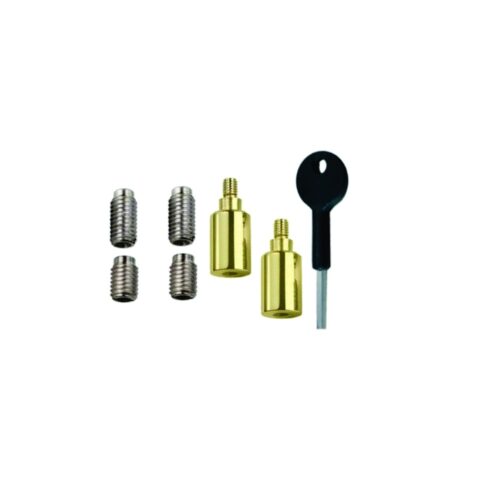
 Electro BrassNickel PlatedPolished Chrome
Casement Hardware
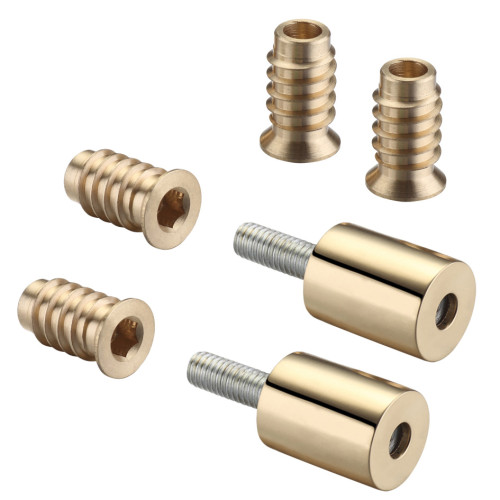
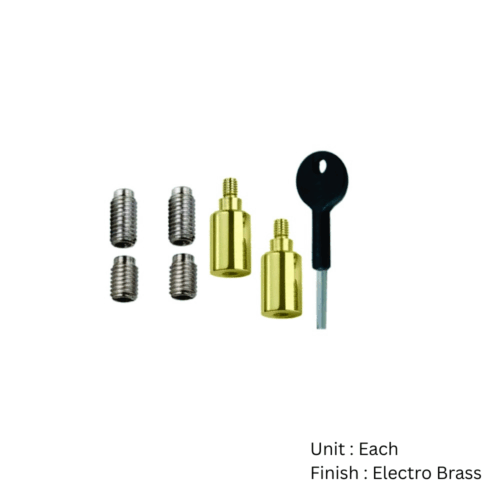
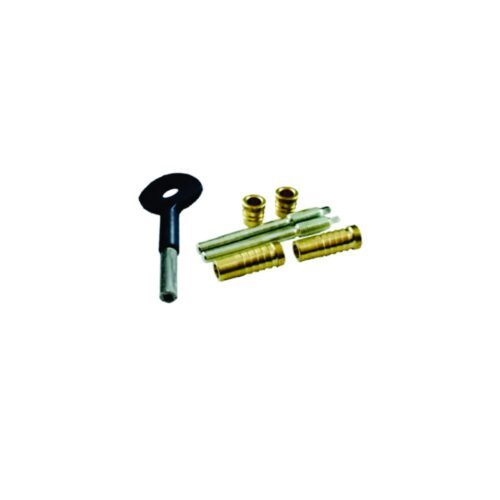
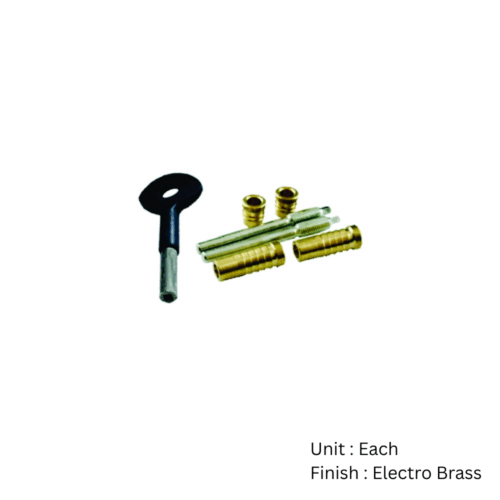
Heavy Duty Sash Stop – Pack Of 2 Plus 1 Key with Different Finish Each
 Electro BrassNickel Plated
Casement Hardware
 Polished Brass
 Polished Chrome
 Powder Coat Black
 Satin Chrome
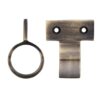 Florentine Bronze
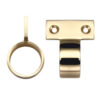 Polished Brass
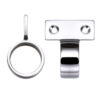 Polished Chrome
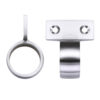 Satin Chrome
Reviews
There are no reviews yet.